
Could a quick step during a dental checkup give your child’s teeth extra protection between visits? For many families, professional fluoride treatments for kids are a simple part of preventive dental care. They are designed to strengthen tooth enamel, support areas that may be starting to weaken, and lower the chance that everyday plaque acids will lead to cavities. At Pediatric Smiles Dentistry, professional fluoride treatments may be recommended as part of our routine preventative care for children.
Parents often have thoughtful questions about fluoride. Is it safe? Does every child need it? How is an in-office treatment different from fluoride toothpaste? Those questions are worth asking, especially because every child has a different dental history, diet, brushing routine, and level of cavity risk. Therefore, the best plan is one that fits your child rather than a one-size-fits-all schedule.
What Are Professional Fluoride Treatments for Kids?
Fluoride is a naturally occurring mineral that can help tooth enamel resist the effects of acids produced by bacteria in the mouth. Professional fluoride treatments for kids contain a concentrated form of fluoride that is applied directly to the teeth during a dental visit. Depending on the child’s needs and the product used, the treatment may come as a varnish, gel, foam, or rinse. Fluoride varnish is commonly used for children because it can be painted onto the teeth quickly and begins working right away.
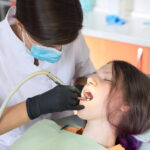
During the application, the dental team dries the teeth as needed and places a thin layer of fluoride material over the enamel. The process usually takes only a few minutes. In addition, it does not require drilling, numbing, or a complicated recovery period. Your child may be asked to avoid certain foods or drinks for a short time after the visit so the fluoride can remain in contact with the teeth.
Although fluoride toothpaste is an important part of daily care, professional fluoride treatments for kids serve a different purpose. Toothpaste provides regular, lower-level exposure at home. Meanwhile, an in-office application gives the enamel a more concentrated boost under professional supervision. These two forms of protection can work together as part of a complete cavity-prevention plan.
How Fluoride Helps Protect Growing Smiles
Every day, teeth go through a cycle of losing and regaining minerals. After a child eats or drinks, bacteria in dental plaque can use sugars and starches to produce acids. Those acids may pull minerals from the enamel, which is the process known as demineralization. Saliva, fluoride, and minerals in the mouth then help replace some of what was lost through remineralization.
Professional fluoride treatments for kids support the remineralization side of that cycle. As a result, enamel can become more resistant to future acid attacks. Fluoride may also help strengthen very early areas of enamel breakdown before they progress into cavities that require fillings. However, fluoride cannot repair a large cavity or replace needed restorative treatment. That is why regular examinations remain important.
Children’s teeth can benefit from extra support because brushing skills develop gradually. A toddler may resist brushing, a grade-school child may rush, and a busy teen may miss hard-to-reach areas around the back teeth. In addition, frequent snacking, sweet drinks, dry mouth, orthodontic appliances, and certain medical conditions can raise cavity risk. Professional fluoride treatments for kids can add another layer of protection while families continue improving daily habits.
Which Children May Benefit Most?
A pediatric dentist considers several factors before recommending professional fluoride treatments for kids. Some children have a low risk of tooth decay and excellent home care, while others need more frequent preventive support. A recommendation may be especially helpful when a child has a history of cavities, early enamel changes, deep grooves in the teeth, limited ability to brush thoroughly, or a diet that includes frequent fermentable carbohydrates.
Children with braces or other orthodontic appliances may also have more places where plaque can collect. Likewise, children who take medications that reduce saliva flow may lose some of the mouth’s natural buffering and cleansing ability. Children with developmental, sensory, physical, or medical needs may need an adapted home-care routine, so professional fluoride treatments for kids can be one useful part of a personalized plan.
Still, a recommendation is not a judgment about parenting or a child’s appearance. Cavities are influenced by many factors, including tooth shape, saliva, bacteria, diet, routines, and access to care. Therefore, the goal is to understand risk and make prevention easier. At Pediatric Smiles Dentistry, we focus on practical guidance that supports the whole family.
What to Expect During a Fluoride Appointment
Professional fluoride treatments for kids are usually completed during a cleaning and checkup. First, the team examines the teeth and reviews any changes in the child’s health, medications, diet, or home routine. Next, the teeth are cleaned as appropriate. Then, the fluoride product is applied according to the manufacturer’s instructions and the dentist’s recommendation.
Many fluoride varnishes feel slightly sticky at first. The material may also make the teeth look temporarily less shiny. However, this effect is brief and disappears after normal brushing resumes at the recommended time. Because the application is fast, it can be a good option for young children and for children who prefer shorter appointments.
Parents receive aftercare instructions before leaving. For example, your child may need to wait before eating, choose softer foods for the rest of the day, or delay brushing for a specific number of hours. Instructions can vary by product, so follow the directions provided at the appointment rather than relying on a general online rule.
Are Professional Fluoride Treatments for Kids Safe?
When applied in the correct amount by a trained dental professional, professional fluoride treatments for kids are widely used as a preventive measure. The dental team selects an age-appropriate product, limits the amount, and applies it directly to the teeth. Because varnish adheres to the enamel, children are exposed to only a small, controlled quantity.
Parents can also support safe fluoride use at home. Use the amount of toothpaste recommended for your child’s age, supervise brushing, and encourage spitting when the child is able. In addition, keep toothpaste out of reach when it is not being used. If you have questions about drinking water, toothpaste, supplements, or other fluoride sources, bring them to your child’s appointment. The dentist can look at the full picture before making a recommendation.
Some parents worry about dental fluorosis, which can happen when developing permanent teeth receive more fluoride than needed over time. Mild fluorosis usually appears as faint white markings. However, professional care is only one part of total fluoride exposure. Therefore, sharing information about your child’s water source, toothpaste habits, and supplements helps the dental team make an appropriate plan.
Benefits of Professional Fluoride Treatments for Kids
- Stronger enamel: Fluoride supports remineralization and helps teeth resist acid-related mineral loss.
- Added cavity protection: Professional fluoride treatments for kids can provide an extra preventive layer between checkups.
- Support for early weak spots: Fluoride may help strengthen enamel that has begun to demineralize before a true cavity forms.
- Fast, comfortable application: Treatment is usually completed in minutes without drilling or numbing.
- Personalized prevention: The pediatric dentist can recommend frequency based on the child’s dental history and current risk.
- Help during changing stages: Professional fluoride treatments for kids can support toddlers learning to brush, school-age children with new molars, and teens with orthodontic appliances.
How to Make Fluoride Part of a Bigger Prevention Plan
Professional fluoride treatments for kids work best when they support consistent home habits. Help your child brush twice each day with fluoride toothpaste in an age-appropriate amount. Young children need hands-on help, while older children may still need reminders and a quick parent check. In addition, begin flossing when neighboring teeth touch because a toothbrush cannot clean tight contact areas effectively.
Food and drink patterns matter as well. Frequent sipping and grazing can expose teeth to repeated acid cycles, even when the total amount of sugar seems small. Therefore, try to offer balanced meals, planned snacks, and water between eating times. Sticky snacks and sweet drinks can be especially challenging because they remain around the teeth or are consumed slowly.
Routine dental visits allow the pediatric dentist to watch tooth development, check brushing progress, and adjust the prevention plan. Newly erupted permanent molars may benefit from sealants, while a child with early enamel changes may need closer monitoring. Professional fluoride treatments for kids are one tool among several, and the most effective plan often combines home care, nutrition guidance, cleanings, examinations, sealants when appropriate, and timely treatment of small concerns.
Common Questions from Kansas City Parents
How often should my child receive professional fluoride treatments?
The ideal schedule depends on cavity risk, age, home care, dental history, and other health factors. Some children receive fluoride during routine six-month visits, while children with higher risk may need a different schedule. Your pediatric dentist will recommend timing based on an examination.
Can my child eat after fluoride varnish?
Usually, children can eat after a fluoride varnish application, but there may be temporary limits on hard, hot, or sticky foods. Because instructions differ by product, follow the specific guidance from the dental team.
Does fluoride treatment hurt?
No drilling or injections are involved. The material is brushed or placed onto the teeth. Some children notice a temporary taste or texture, but the application itself is generally quick and comfortable.
Can fluoride replace brushing or dental cleanings?
No. Professional fluoride treatments for kids add protection, but they do not remove plaque, clean between teeth, or treat established cavities. Daily brushing, flossing, healthy eating patterns, and regular dental visits remain essential.
What if my child has sensory sensitivities?
Tell the team about textures, flavors, timing preferences, communication needs, or previous experiences before the appointment. A pediatric dental office can adapt the pace and approach whenever possible. In addition, a short explanation or visual preview may help your child know what to expect.
Build a Stronger Prevention Routine
Fluoride questions do not need to feel confusing. A pediatric dentist can review your child’s teeth, habits, water exposure, and cavity history, then explain whether professional fluoride treatments for kids fit the prevention plan. The goal is not to add unnecessary steps. Instead, it is to use the right tools at the right time so your child can eat, speak, learn, and grow with a comfortable smile.
To learn whether professional fluoride treatments for kids are appropriate for your family, contact Pediatric Smiles Dentistry in Kansas City, MO. Call Us Today at (816) 479-5562 to book your child’s visit.