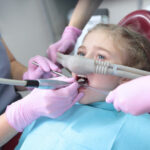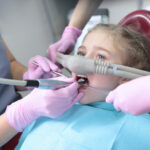

If a baby tooth is eventually going to fall out, does a cavity really need to be treated? It is one of the most understandable questions parents ask after hearing that their child has tooth decay. After all, primary teeth are temporary. However, they still have important work to do for several years, and leaving a cavity untreated can sometimes lead to pain, infection, difficulty eating, and more complicated dental treatment.
At Pediatric Smile Solutions, pediatric oral treatment is planned around the condition of the tooth, the child’s age, dental development, comfort, and how long the baby tooth is expected to remain in the mouth. A small cavity in a tooth that needs to function for several more years may be treated very differently from a loose baby tooth that is already close to falling out naturally.
Understanding why dentists sometimes recommend fillings for baby teeth can make treatment decisions much easier. The goal is not simply to repair a temporary tooth. Instead, treatment can help protect your child’s comfort, ability to chew, developing permanent teeth, and overall oral health.
Why Are Baby Teeth Important if They Eventually Fall Out?
Primary teeth may be temporary, but they serve several important purposes throughout childhood. They help children bite and chew a wide variety of foods. In addition, teeth contribute to normal speech development and give children a functional bite while the jaw continues to grow.
Baby teeth also help preserve space for permanent teeth. Underneath many primary teeth, permanent teeth are developing and gradually moving toward the mouth. Keeping a baby tooth healthy until it is naturally ready to fall out can help maintain the space needed for the permanent tooth that follows.
Therefore, losing a primary tooth much earlier than expected can sometimes affect dental development. Nearby teeth may begin moving into the available space, depending on which tooth was lost and the child’s stage of growth.
Because of these functions, pediatric dentists look at baby teeth as important parts of a developing smile rather than teeth that can always be ignored simply because they are temporary.
What Happens When a Cavity Develops in a Baby Tooth?
A cavity develops when acids produced by oral bacteria gradually weaken the hard outer surface of a tooth. In its earliest stages, tooth decay may cause few or no symptoms. As the damaged area becomes larger, however, decay can move into deeper layers of the tooth.
Eventually, a child may develop sensitivity, discomfort while chewing, tooth pain, or visible discoloration. If decay progresses far enough, bacteria can reach the inner portion of the tooth, where nerves and blood vessels are located.
At that point, treatment may become more involved. A tooth that could once have been restored with a relatively small filling may require a larger restoration, additional treatment to the inside of the tooth, or removal if it cannot be predictably restored.
That is one reason routine dental visits are valuable. A cavity identified before a child develops significant pain may provide more treatment options.
Does Every Cavity in a Baby Tooth Need a Filling?
No single treatment is right for every cavity. The pediatric dentist considers several factors before making a recommendation.
These can include:
- The size and depth of the cavity
- The location of the affected tooth
- Your child’s age
- How long the tooth is expected to remain in the mouth
- Whether your child is experiencing pain or sensitivity
- The condition of the surrounding teeth
- Your child’s cavity history
- The strength of the remaining tooth structure
- Your child’s ability to comfortably complete treatment
For example, a very small area of early enamel weakness may sometimes be managed differently from a definite cavity that has created a hole in the tooth. Likewise, a primary molar that needs to remain in the mouth for several more years may deserve a different approach than a front baby tooth that is already loose and close to its natural shedding time.
The best way to understand the recommendation is to ask the dentist to show you where the cavity is located and explain what may happen if treatment is postponed.
Why Can Cavities in Baby Teeth Progress Quickly?
Primary teeth are smaller than adult teeth, and the layers protecting their inner tissues are also different in size. As a result, a cavity does not necessarily have as far to travel before it reaches the more sensitive interior of the tooth.
This is particularly important when decay develops between two teeth. Parents may not be able to see these areas while helping a child brush. In some cases, dental images are needed to determine whether decay is developing between neighboring teeth.
A child may also seem completely comfortable even while a cavity is becoming larger. Pain is not always the first sign of tooth decay. Therefore, waiting until a tooth hurts can mean waiting until the problem has become more advanced.
What Does a Baby Tooth Filling Do?
A filling is designed to remove damaged tooth structure and restore the area so the tooth can continue functioning. The exact material and treatment approach may depend on the tooth, the size of the cavity, and the child’s individual needs.
When decay is limited enough for a filling to be appropriate, treating the tooth can help prevent the damaged area from continuing to enlarge. It can also restore a smoother surface and allow the child to continue using the tooth for chewing.
However, fillings are not appropriate for every decayed tooth. If a large amount of tooth structure has been lost, another type of restoration may provide better protection. If decay has reached the pulp, additional treatment may be necessary. In other situations, removal may be considered if the tooth cannot be predictably maintained.
That is why the treatment plan should be based on an examination rather than the assumption that every cavity automatically receives the same procedure.
Benefits of Baby Tooth Fillings
When a filling is the appropriate treatment, repairing a decayed primary tooth can provide several advantages for a growing child.
- Helps stop the cavity from becoming larger: Removing damaged tooth structure can prevent decay from continuing unchecked through the tooth.
- Protects everyday comfort: Treating decay before it reaches deeper areas may reduce the chance of future tooth pain or sensitivity.
- Supports normal chewing: Healthy, comfortable baby teeth help children eat a varied diet without avoiding one side of the mouth.
- Maintains the tooth until natural tooth loss: Preserving a primary tooth can help it continue performing its job until the permanent tooth is ready.
- Protects available space: Keeping certain primary teeth in place may help maintain room for developing permanent teeth.
- May reduce the need for more complex care: A smaller cavity may require less extensive treatment than decay that has been allowed to progress.
- Supports healthier dental habits: Treating existing decay while improving brushing, flossing, and nutrition can help families reduce future cavity risk.
What if My Child’s Cavity Does Not Hurt?
A painless cavity can still require treatment. Tooth decay often develops gradually, and children may not notice a problem during its early stages.
Sometimes parents are surprised when the dentist identifies a cavity because their child has never complained about the tooth. However, dental treatment is often easier when problems are found before symptoms become significant.
Waiting for pain can allow the cavity to become deeper. Once the inner portion of a tooth becomes irritated or infected, the treatment needed to preserve the tooth can change.
If your child has been diagnosed with a cavity, ask what the dentist sees, how advanced the decay appears to be, and what options are available. Understanding the condition of the tooth can help you make an informed decision even when your child feels fine.
What if the Baby Tooth Is Going to Fall Out Soon?
The expected timing of natural tooth loss matters. If a tooth is already loose and the permanent tooth is close to erupting, the dentist may take that development into account when creating a treatment plan.
However, parents should avoid trying to estimate the timing based only on a child’s age. Different primary teeth fall out at different stages, and individual development varies.
Some back baby teeth remain in the mouth much longer than parents expect. A child may need those teeth for chewing and space maintenance for several additional years.
Dental examination, and sometimes an X-ray, can help determine how much root remains and where the developing permanent tooth is located. That information can make the treatment decision much more specific.
What Happens if a Cavity Is Left Untreated?
An untreated cavity does not reliably repair itself after a true hole has formed in the tooth. Instead, bacteria may continue damaging additional tooth structure.
The child may eventually experience sensitivity or pain. In addition, advanced decay can reach the pulp and lead to inflammation or infection. Swelling, drainage, a bump on the gum, fever, or facial swelling can indicate a more urgent problem that needs prompt attention.
A badly damaged tooth may also become difficult to chew with, which can cause children to favor the opposite side of their mouth.
In some situations, delaying care reduces the number of conservative treatment options available. That does not mean every cavity becomes an emergency, but it does mean that a recommended follow-up should not be ignored without discussing the reasons with the pediatric dentist.
How Can Parents Make a Filling Appointment Easier?
Children often respond well when dental treatment is explained simply. Rather than describing needles, drilling, or other details that can create unnecessary worry, tell your child that the dental team is going to clean and repair the tooth so it can stay healthy and comfortable.
Avoid promising that your child will feel absolutely nothing. Instead, emphasize that the team will explain what is happening and help keep them comfortable.
If your child is especially anxious, has a strong gag reflex, or has difficulty sitting still for treatment, tell the dental team in advance. Pediatric dentists have several approaches for helping children through treatment, and some children may benefit from additional comfort options.
Pediatric Smile Solutions can also discuss special needs dental accommodations when developmental, sensory, behavioral, physical, or communication needs affect dental care.
How Can Future Cavities Be Prevented?
A filling repairs the current problem, but preventing new cavities requires attention to daily habits and regular dental care.
Help your child brush twice each day using fluoride toothpaste in an age-appropriate amount. Young children usually need active help from an adult because they may not have the coordination or patience required to clean every surface thoroughly.
Floss when neighboring teeth touch. Toothbrush bristles cannot fully clean tight spaces between teeth, so flossing becomes important once those contacts develop.
Also consider how frequently your child’s teeth are exposed to sugary or highly refined carbohydrate snacks and drinks. Frequent sipping and snacking can repeatedly expose teeth to acids produced by oral bacteria.
Finally, maintain routine preventative dental visits. Professional examinations and cleanings give the dental team an opportunity to identify changing cavity risk and recommend preventive strategies that fit your child.
Frequently Asked Questions About Baby Tooth Fillings
Why fill a baby tooth if it will eventually fall out?
A baby tooth may need to remain functional for several more years. Treating decay can protect comfort, chewing, tooth structure, and space for developing permanent teeth.
Can a small cavity simply be watched?
That depends on whether the area represents early enamel changes or an established cavity, as well as the tooth, age, and cavity risk. Your pediatric dentist can explain whether monitoring or restorative treatment is appropriate.
Can a cavity in a baby tooth affect the permanent tooth?
Severe decay or infection in a primary tooth can affect surrounding tissues, including areas near a developing permanent tooth. Prompt evaluation helps reduce that risk.
What if my child is afraid of getting a filling?
Tell the dental team before the appointment. Pediatric dental care can include child-friendly communication, behavior guidance, and comfort options based on the child’s age and treatment needs.
Can brushing make an established cavity disappear?
Excellent home care can help prevent additional decay, but once a true cavity has created a structural defect in the tooth, professional evaluation is needed to determine appropriate treatment.
Help Keep Baby Teeth Healthy Until They Are Ready to Go
Baby teeth may not last forever, but that does not make them disposable. When a primary tooth still has important work to do, treating a cavity can help protect your child’s comfort and support healthy dental development. The right treatment depends on the tooth, the size of the cavity, your child’s age, and the timing of the permanent tooth underneath.
If you are wondering whether your child needs a baby tooth filling in Kansas City, contact Pediatric Smile Solutions at (816) 479-5562. Call Us Today to schedule an evaluation and learn which treatment options are appropriate for your child’s smile.