
What makes a dental visit successful for a child with special healthcare needs? Often, the answer is not simply completing a cleaning or dental procedure. A positive visit begins with understanding the individual child, including communication preferences, sensory sensitivities, physical needs, routines, previous experiences, and the strategies that help them feel comfortable in unfamiliar situations.
Pediatric Smile Solutions provides special needs pediatric dental care for families in Kansas City and surrounding communities. Rather than expecting every child to respond to the same dental routine, personalized care allows the dental team and parents to work together to create an approach based on the child’s specific needs.
For parents who have experienced stressful medical or dental appointments in the past, finding a pediatric dentist who welcomes this kind of collaboration can make future care feel more manageable. The goal is to protect oral health while helping the child feel respected, supported, and as comfortable as possible.
What Is Special Needs Pediatric Dentistry?
Special needs pediatric dentistry refers to dental care adapted for children who may need additional support because of developmental, physical, cognitive, sensory, behavioral, emotional, or medical considerations.
The term covers a wide range of individual needs. Some children communicate differently. Others may be sensitive to bright lights, sounds, tastes, textures, touch, or changes in routine. A child may use a wheelchair or another mobility device. Some children need additional time to process instructions, while others may become overwhelmed by waiting or unfamiliar environments.
For this reason, there is no single special needs dental appointment that works for every child. Care should be individualized.
A successful plan may involve changes to scheduling, communication, the treatment environment, appointment pacing, or the way procedures are introduced. What matters most is identifying what helps that specific child participate safely and comfortably.
Why Should Parents Share Information Before the Appointment?
Parents and caregivers know their children better than anyone else. Information that may seem unrelated to dentistry can be extremely helpful when planning a visit.
Before an appointment, consider telling the dental team about:
- How your child communicates wants or discomfort
- Words or phrases your child understands best
- Sensory triggers
- Comfort items that help with unfamiliar situations
- Preferred appointment times
- Medical conditions and medications
- Mobility or positioning needs
- Food texture preferences
- Strong gag reflexes or oral sensitivities
- Previous dental or medical experiences
- Behavior strategies that work well at home or school
- Signs that your child is becoming overwhelmed
This information gives the dental team a useful starting point. For example, a child who functions best early in the morning may benefit from an appointment scheduled before fatigue builds. Another child may prefer a quieter treatment setting rather than a more active environment.
These are not minor details. They can shape the entire experience and help the dental team prepare before the child arrives.
How Can Sensory Needs Affect Dental Visits?
Dental offices naturally involve many sensory experiences. There can be bright lights, new sounds, unfamiliar smells, gloves, dental instruments, water, suction, and sensations inside the mouth.
For some children, these sensations are simply new. For others, they can feel intense or overwhelming.
A child who is sensitive to sound may respond strongly to dental equipment. A child who dislikes certain textures may find toothpaste, fluoride, cotton, or dental materials difficult to tolerate. Others may be uncomfortable with changes in lighting or with having someone close to their face.
Personalized special needs pediatric dentistry allows these reactions to be considered instead of treated simply as a lack of cooperation. Depending on the child’s needs and the procedure, strategies may include reducing unnecessary stimulation, using clear explanations, allowing additional processing time, or introducing parts of the visit gradually.
Parents can also tell the dental team whether headphones, sunglasses, a favorite blanket, or another familiar item helps the child manage sensory input. Small accommodations may make a meaningful difference.
How Communication Can Change the Dental Experience
Children understand information in different ways. Some respond well to spoken explanations, while others may benefit from short directions, visual prompts, demonstrations, repetition, or predictable sequences.
Instead of giving several instructions at once, a dental team might break the visit into smaller steps. For example, the child may first see the dental mirror, then touch it, then allow the dentist to look at a few teeth.
Clear communication can also help children know what will happen next. Uncertainty can be difficult for many kids, so using consistent language and predictable routines may reduce stress.
Parents can help by sharing communication techniques used at home, school, therapy, or medical appointments. Familiar approaches may make it easier for the child to understand what is expected.
Can Parents Stay Involved During the Visit?
Parent involvement can be especially valuable for children who depend on a familiar caregiver for communication, reassurance, or regulation.
A parent may help interpret a child’s gestures, explain how the child expresses discomfort, provide a familiar voice, or identify when the child is nearing their limit.
In addition, a parent can give the dental team context about whether a particular behavior is typical for the child or a sign that something is wrong.
Partnership matters because the parent and dental team are working toward the same goal, helping the child receive appropriate oral healthcare in a way that respects individual needs.
Benefits of Special Needs Pediatric Dentistry
Choosing a dental environment prepared to individualize care can provide meaningful advantages for children and their families.
- Personalized communication: Instructions and explanations can be adjusted to the child’s communication style and developmental level.
- Attention to sensory needs: The dental team can consider light, sound, touch, textures, and other triggers that may influence the visit.
- Flexible planning: Appointment timing and pacing can be adapted when possible to help the child participate more comfortably.
- Parent collaboration: Caregivers can share strategies, preferences, and information that help the dental team understand the child.
- Individualized treatment decisions: Dental treatment can account for oral health, medical needs, behavior, development, and the child’s ability to tolerate care.
- Support for preventive care: A personalized approach can make routine cleanings and examinations more manageable, which may help reduce the need for more extensive treatment later.
- Long-term familiarity: Consistent visits may allow the child to gradually become more comfortable with the dental team, environment, and routine.
What Happens During a Routine Special Needs Dental Visit?
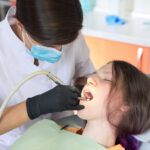
The exact appointment depends on the child’s needs and comfort level. For some children, the team may be able to complete a full cleaning, examination, and other recommended preventive care during one visit.
For others, success may look different. The first goal might be entering the treatment area comfortably, sitting in the chair, allowing a brief examination, or becoming familiar with certain dental tools.
The dentist will evaluate the teeth, gums, oral tissues, and dental development as much as the child comfortably allows. Dental X-rays may be recommended when they are needed and can be completed safely.
Preventive care may also include cleaning, fluoride treatment, oral hygiene education, and discussions about diet or habits that influence dental health.
Pediatric Smile Solutions provides routine preventative dental care that can be individualized for children at different ages and developmental stages.
Why Home Oral Care May Need a Personalized Approach
Dental care does not stop when the appointment ends. For some families, brushing and flossing at home can be more challenging than the dental visit itself.
A child may dislike the texture of toothpaste, resist having their mouth touched, have difficulty gripping a toothbrush, or struggle with a two-minute brushing routine.
Instead of assuming there is only one correct technique, parents can ask the pediatric dental team for practical adaptations. A different toothbrush style, predictable sequence, gradual exposure, visual timer, modified positioning, or another strategy may make home care easier.
The most useful routine is one the family can repeat consistently. Small improvements that can be maintained are often more valuable than an elaborate routine that creates daily conflict.
How Diet and Food Textures Can Affect Oral Health
Food preferences are another important part of individualized oral health planning. Some children have a limited range of accepted foods because of texture, sensory preferences, medical needs, or feeding challenges.
That means general nutrition advice may not always be practical. Instead, the dental team can discuss what the child actually eats and drinks, how frequently snacks occur, and whether certain patterns may increase cavity risk.
The goal should not be to criticize a child’s accepted foods or make families feel judged. Rather, understanding the current routine can help identify realistic opportunities to support oral health.
For example, changes in beverage frequency, timing of brushing, use of fluoride toothpaste, or preventive dental treatments may be more achievable than trying to completely change a child’s diet.
What if My Child Needs Dental Treatment?
If a cavity or another dental concern is found, the treatment plan should consider more than the tooth itself.
The dentist may evaluate how extensive the treatment is, how long the procedure is likely to take, how the child responds to dental care, medical history, sensory needs, and previous experiences.
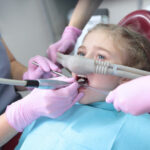
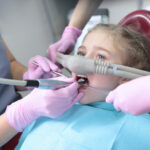
Some children may complete treatment using routine behavioral support. Others may benefit from an additional comfort option when appropriate. For children who need extensive care or cannot safely tolerate conventional treatment, other approaches may be discussed.
Pediatric Smile Solutions also offers pediatric general anesthesia for selected situations when a child’s dental and individual needs make that approach appropriate.
No single comfort method is automatically best for every child. Treatment planning should be individualized after evaluation.
How Can Parents Prepare a Child With Special Needs for the Dentist?
Preparation should match the child’s preferred way of learning. Some children like detailed explanations, while too much information may increase anxiety for others.
Parents may find it helpful to:
- Use simple, familiar language to describe the appointment
- Review pictures of the dental office when available
- Practice opening the mouth at home for a few seconds at a time
- Bring headphones, a blanket, toy, or another familiar comfort item when appropriate
- Keep the morning routine predictable
- Avoid using frightening dental words
- Tell the office about accommodations before arriving
- Schedule at a time of day when the child typically functions well
Most importantly, avoid turning the appointment into a test the child must pass. Progress can happen gradually. A visit that builds familiarity and trust can still be valuable even when every planned step is not completed.
Why Preventive Care Is Especially Valuable
Preventing dental problems is helpful for every child, but it can be particularly valuable when restorative treatment is difficult to tolerate.
Consistent brushing with fluoride toothpaste, flossing where teeth touch, professional cleanings, fluoride treatments when recommended, and regular dental examinations can help reduce the chance that small concerns become larger treatment needs.
Preventive appointments also create repeated opportunities for the child to become familiar with the dental office without necessarily needing complex treatment.
Over time, familiar faces, routines, rooms, and language may make dental care feel more predictable. In addition, the dental team can monitor changes in tooth eruption, cavity risk, gum health, and oral habits as the child grows.
How Can Regular Visits Build Confidence Over Time?
For some children, familiarity is one of the most useful tools available. A dental office that initially feels unfamiliar may become much easier to navigate after several positive experiences.
Routine appointments give children an opportunity to learn what the dental chair feels like, recognize members of the dental team, hear common office sounds, and become familiar with the sequence of a visit.
Parents can support this process by keeping explanations consistent and avoiding negative predictions before appointments. Rather than saying, “Do not be scared,” which can introduce the idea that something frightening is about to happen, parents can use neutral language such as, “We are going to visit the dentist so they can count and check your teeth.”
Progress may happen slowly, and that is acceptable. Building trust can be an important part of long-term oral healthcare.
When Should a Child With Special Needs First See a Dentist?
Children with special healthcare needs benefit from establishing dental care early, just like other children. Early visits allow the pediatric dentist to evaluate developing teeth, discuss home-care strategies, identify individual risks, and help the child become familiar with the dental environment.
Early care can be especially useful when medications, feeding patterns, oral habits, motor challenges, sensory needs, or medical conditions may influence dental health.
Parents do not need to wait until a dental problem develops before contacting a pediatric dentist. Preventive visits are often much easier for a child than an urgent visit involving pain or infection.
Frequently Asked Questions About Special Needs Pediatric Dentistry
What should I tell the dentist before my child’s appointment?
Share medical history, medications, communication preferences, sensory triggers, mobility needs, food textures, successful behavior strategies, and anything that helps your child feel more comfortable.
Can a child with autism see a pediatric dentist?
Yes. An individualized pediatric dental approach can account for communication style, sensory sensitivities, routine preferences, and other needs that may influence the appointment.
Can my child bring headphones or a comfort item?
In many situations, familiar comfort items can be useful. Ask the dental office in advance so the team can plan around anything your child would like to bring.
What if my child cannot complete an entire cleaning?
The dental team can discuss what was accomplished, what remains necessary, and whether another approach may be appropriate. Safety, comfort, and gradual progress are important considerations.
Are there comfort options for dental treatment?
Yes. Appropriate options depend on the child and the procedure and may include behavioral guidance, nitrous oxide, other sedation approaches, or general anesthesia in selected situations.
Build a Dental Plan Around Your Child
Children with special healthcare needs deserve dental care that recognizes their strengths, preferences, communication, and individual challenges. The most effective approach often begins before the child ever sits in the dental chair, with parents and the dental team sharing information and creating a thoughtful plan together.
If you are looking for a special needs pediatric dentist in Kansas City, contact Pediatric Smile Solutions at (816) 479-5562. Call Us Today to discuss your child’s individual needs and schedule a supportive, personalized dental visit.