When it comes to your child’s dental health, timing is everything. You may think that orthodontic care is something to consider only during the teenage years when braces are more common. However, early orthodontic evaluations play a crucial role in identifying and addressing potential dental issues before they become more complicated. In fact, many orthodontic problems are easier to correct if they are caught early, which is why the American Association of Orthodontists recommends that children have their first orthodontic checkup by age 7.
In this blog, we’ll explore the benefits of early orthodontic evaluation and help you understand when to see an orthodontist for your child’s care.
Why Early Orthodontic Evaluation Matters
1. Catch Problems Early
One of the main benefits of an early orthodontic evaluation is the ability to catch developing issues before they worsen. While your child’s baby teeth may appear straight, the underlying structure could be out of alignment, leading to problems as their permanent teeth come in. By identifying these concerns early, an orthodontist can develop a treatment plan that prevents more serious issues down the road.
For example, early evaluations can detect:
- Crowding or spacing issues
- Crossbite, overbite, or underbite
- Misaligned jaw growth
- Impacted teeth
Identifying these problems early allows your child to receive appropriate treatment at the right time, which may reduce the need for more invasive procedures later.
2. Guide Jaw and Facial Development
The bones in a child’s face and jaw are still growing and developing, making it easier to guide their growth in a healthy direction. During an early orthodontic evaluation, an orthodontist can assess the alignment of your child’s jaw and teeth to determine if any intervention is needed to promote proper development.
If necessary, your orthodontist may recommend interceptive treatments such as:
- Palate expanders
- Space maintainers
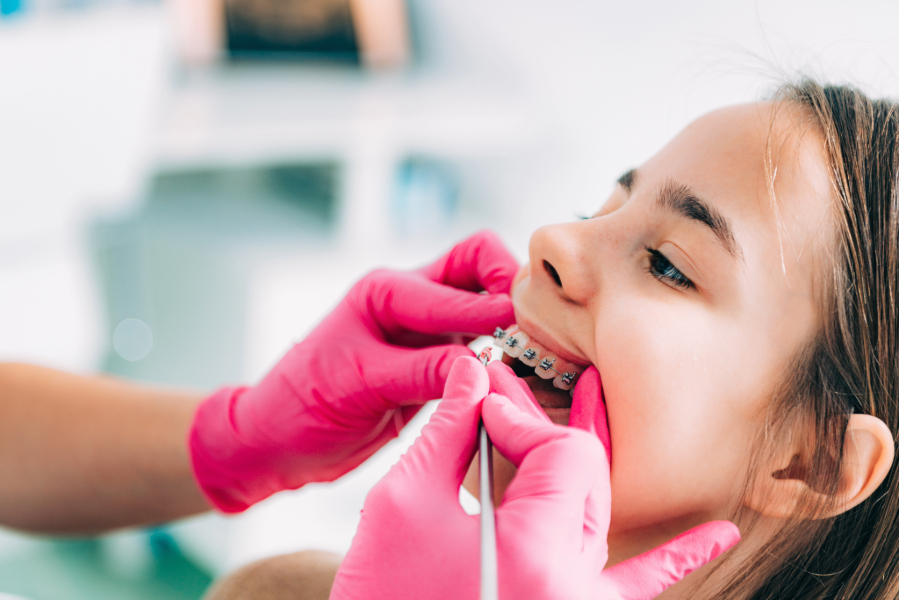
- Partial braces
These tools help guide the jaw and teeth into proper alignment, preventing more significant issues in the future.
3. Reduce the Risk of Tooth Extraction
When children receive early orthodontic evaluations, orthodontists can often intervene before overcrowding becomes a severe problem. Early treatment helps create enough space in the mouth for permanent teeth to erupt properly. This can reduce or eliminate the need for extracting teeth later in life to make room for braces or other corrective procedures.
4. Shorten Treatment Time Later
Early intervention often leads to a simpler and shorter treatment process if your child eventually needs braces or other orthodontic care. By addressing key issues early on, your child’s orthodontist can make the future treatment process more efficient and less invasive. This means that when your child reaches the age where braces are typically used, their treatment time could be significantly reduced, potentially requiring less time in braces overall.
Signs Your Child May Need to See an Orthodontist
While every child should have an orthodontic evaluation by age 7, certain signs may indicate a more immediate need for an appointment. Here are some red flags to watch for:
- Crowded or crooked teeth: If your child’s baby teeth seem misaligned or crowded, this could indicate future problems with permanent teeth alignment.
- Early or late loss of baby teeth: Losing baby teeth too early or too late can disrupt the normal eruption of permanent teeth, creating space or alignment issues.
- Biting and chewing difficulties: If your child struggles with biting or chewing food, this may point to a misalignment of the jaw or teeth.
- Mouth breathing: Constant mouth breathing can affect the development of the jaw and facial muscles, leading to misalignment.
- Thumb sucking beyond age 4: Prolonged thumb sucking can lead to improper growth of the mouth and alignment of the teeth.
If you notice any of these signs, it’s a good idea to consult an orthodontist to evaluate whether early treatment is necessary.
When to See an Orthodontist
So, when to see an orthodontist for an evaluation? As we mentioned earlier, around age 7 is the ideal time for an initial consultation. This allows the orthodontist to evaluate the development of your child’s teeth and jaw, even if there are no visible signs of misalignment yet.
By scheduling this initial evaluation, you are giving your child the best chance for a healthy, well-aligned smile, both now and in the future. Even if no treatment is needed right away, the orthodontist will continue to monitor your child’s growth and development over time, providing guidance on the best course of action.
The Role of an Orthodontist in Your Child’s Dental Health
An orthodontist is a dental specialist with advanced training in diagnosing, preventing, and treating issues related to the alignment of teeth and jaws. While a general dentist focuses on overall oral health, an orthodontist has specific expertise in creating treatment plans to ensure that your child’s teeth develop in the best possible way.
Orthodontic issues can affect not only the appearance of your child’s smile but also their ability to chew, speak, and maintain proper oral hygiene. Misaligned teeth can be harder to clean, increasing the risk of cavities and gum disease. By working with an orthodontist early, you can help your child avoid these potential problems and set them up for a lifetime of good oral health.
What to Expect During an Orthodontic Evaluation
Your child’s first orthodontic visit will typically include the following:
- Medical history review: The orthodontist will ask about any relevant medical and dental history.
- Examination: The orthodontist will conduct a physical examination of your child’s mouth, teeth, and jaw to assess their development.
- X-rays: X-rays may be taken to evaluate the position of the teeth and determine if there are any issues with alignment or the eruption of permanent teeth.
- Discussion of treatment options: If necessary, the orthodontist will recommend treatment options and discuss the next steps.
The Path to a Beautiful Smile Starts Early
Scheduling an early orthodontic evaluation for your child is one of the best ways to ensure they enjoy a healthy, well-aligned smile for years to come. By addressing potential problems early, you can reduce the need for extensive treatments later, promote proper jaw and facial development, and help your child maintain excellent oral health. If you’re wondering when to see an orthodontist for your child, don’t wait until they’re older. The earlier you act, the better the outcome for their future smile. At Pediatric Smiles we can help determine if you need to schedule an orthodontic evaluation and recommend excellent orthodontists in the Kansas City metro. Schedule your appointment today!