
Fluoride is a common ingredient in many dental care products, including toothpaste and mouthwash, and has long been associated with preventing tooth decay. But with the rise of teeth-whitening trends, some wonder: Does fluoride whiten teeth? For National Fluoride Day, let’s dive into the science behind fluoride and its role in oral health.
What Is Fluoride?
Fluoride is a naturally occurring mineral found in water, soil, and various foods. It’s also added to many public water systems and dental care products because of its well-known benefits for tooth health. Fluoride works by strengthening tooth enamel, making it more resistant to decay, and can even reverse early stages of tooth decay.
Because of these properties, fluoride is a key component in oral health strategies worldwide, especially in the U.S., where most municipal water systems are fluoridated to promote public dental health.
The Big Question: Does Fluoride Whiten Teeth?
While fluoride is great for strengthening teeth and preventing cavities, it is not a teeth-whitening agent. Fluoride’s primary function is to make tooth enamel more resilient to acid attacks from plaque and bacteria. It prevents tooth decay, but it doesn’t remove stains or discoloration from teeth.
Fluoride’s Role in Whitening Products
Some teeth-whitening products contain fluoride, but not because fluoride whitens teeth. Instead, the fluoride in these products helps protect and rebuild enamel that might be weakened during the whitening process. So, while fluoride can help maintain overall tooth health during whitening, it does not directly whiten teeth.
Understanding How Fluoride Works
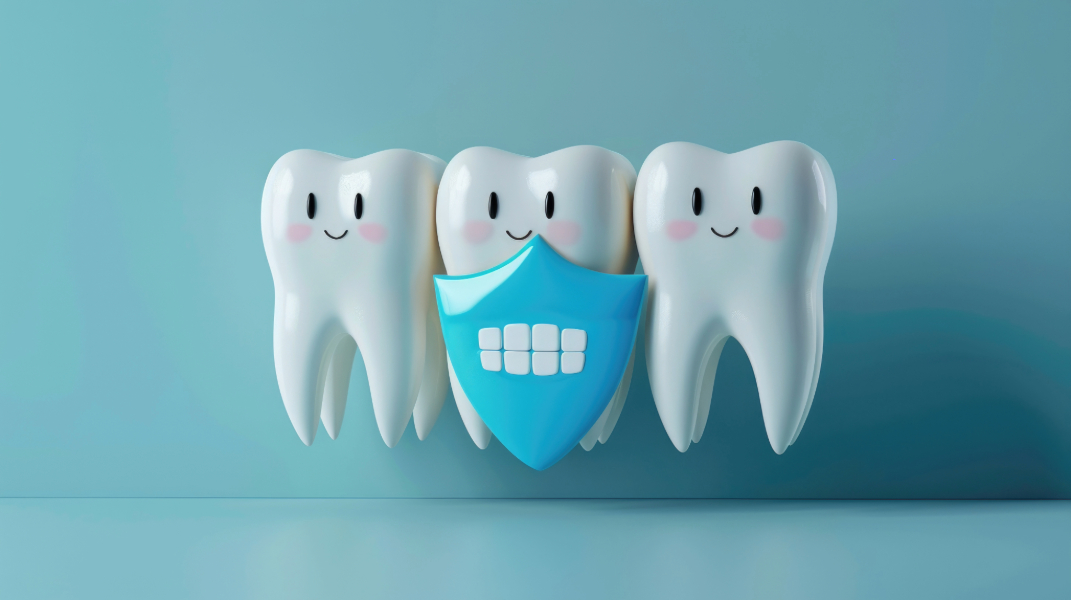
Fluoride works by encouraging remineralization. When teeth are exposed to acids from plaque or sugary foods, enamel loses minerals, creating weak spots that can lead to cavities. Fluoride restores those lost minerals and makes enamel stronger, effectively acting as a protective shield for your teeth.
Research Supporting Fluoride’s Benefits:
- The Centers for Disease Control and Prevention (CDC) has long promoted the addition of fluoride to public water supplies. According to the CDC, community water fluoridation has reduced cavities by approximately 25% in children and adults in the U.S. .
- The American Dental Association (ADA) also supports fluoride use, emphasizing its safety and effectiveness in preventing tooth decay. According to ADA research, fluoride helps reduce the risk of tooth decay by slowing the breakdown of enamel .
These sources confirm that fluoride is an essential element for maintaining oral health, but not specifically for whitening teeth.
Addressing the Concern: Is Fluoride Bad for You?
Despite its well-documented benefits, some individuals have concerns about fluoride’s safety. One common question people ask is, ‘Is fluoride bad for you?’ The short answer is no—when used appropriately.
Research on Fluoride Safety:
- Harvard School of Public Health Study: A study published in 2012 did raise concerns about excessive fluoride exposure and its impact on cognitive development in children. However, this study focused on areas where fluoride levels were much higher than those found in fluoridated drinking water in the U.S. . The levels of fluoride in American water supplies are carefully regulated to avoid adverse health effects.
- World Health Organization (WHO): The WHO supports fluoride use, stating that it is an essential part of cavity prevention programs. They also note that while excessive exposure to fluoride can lead to dental fluorosis (minor cosmetic changes in tooth enamel), this is a relatively rare condition in countries with regulated fluoride programs.
The overwhelming consensus in scientific literature is that fluoride is safe and effective when used properly, whether through toothpaste, mouthwash, or community water fluoridation.
How to Use Fluoride for Optimal Oral Health
Although fluoride doesn’t whiten teeth, it’s essential for keeping them strong and healthy. Here’s how you can incorporate fluoride into your daily routine:
- Use Fluoride Toothpaste: Brushing with fluoride toothpaste twice a day is the best way to ensure your teeth are getting the protection they need.
- Drink Fluoridated Water: If your local water supply is fluoridated, drinking tap water can help reinforce your enamel throughout the day.
- Consider Fluoride Treatments: If you or your child are at a higher risk for cavities, your dentist may recommend professional fluoride treatments to strengthen enamel.
Fluoride’s Role in Dental Health (But Not Whitening)
While fluoride itself won’t whiten your teeth, it’s a crucial part of your overall dental care regimen. It protects your enamel, strengthens your teeth, and helps prevent cavities—essential for maintaining a bright, healthy smile. If you’re looking for teeth-whitening options, other ingredients like hydrogen peroxide or baking soda are more effective.
On National Fluoride Day this January, remember that fluoride’s true value lies in its ability to keep your teeth strong and healthy for life. And if you need help with your child’s dental health, or just have more questions on fluoride, schedule an appointment with Pediatric Smiles. Let’s keep your child’s smile healthy for life!