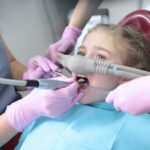

Your child’s first dental visit is a milestone, and for many parents, it comes with just as many emotions as it does questions. You want to do everything right. You want your child to feel safe. You want the appointment to go smoothly. And, if you are being honest, you may be a little nervous yourself.
At Pediatric Smiles, we understand all of that. A first dental visit is not just about looking at teeth. It is about setting the tone for how your child feels about dental care moving forward. A positive first experience can help build trust, lower anxiety, and make future appointments feel familiar instead of intimidating.
That is why we encourage families to learn what to expect before they arrive. Our first visit page gives families a helpful starting point, and we also want to share practical ways you can prepare your child for a strong and confident beginning.
Why the First Dental Visit Matters So Much
It is easy to think of the first dental appointment as a one-time event, but in reality, it often shapes a child’s expectations about dental care for years to come. If the first visit feels warm, calm, and encouraging, children are more likely to return with less fear next time. If they feel surprised, pressured, or overwhelmed, it can take longer to build comfort later.
That is why preparation matters. The first visit is not about creating a perfect performance where your child sits still, smiles, and cooperates with every step. It is about helping them begin to trust the environment and the people caring for them. Even a shy or wiggly first visit can still be a success if your child leaves feeling safe and supported.
When Should Your Child Come In for the First Visit?
Parents often ask whether they are coming in too early or too late. In general, early dental visits are helpful because they allow us to monitor development, discuss home care, and address concerns before they become bigger. Even if your child only has a few teeth or seems too young to understand much, the appointment can still be very valuable for both child and parent.
Early visits also give parents a chance to ask questions about brushing, teething, fluoride, diet, thumb sucking, pacifier use, spacing, and what changes to expect as more teeth come in. Having those conversations early can make home care feel less uncertain.
How to Talk to Your Child Beforehand
The way you introduce the appointment can make a big difference. Children usually do best when parents keep the explanation simple, upbeat, and age-appropriate. You do not need to give a long speech or too many details. In many cases, a short, reassuring explanation works best.
You might say that the dentist is going to count their teeth, look at their smile, and help keep their teeth healthy and strong. That framing helps children see the visit as something helpful rather than something mysterious.
It also helps to avoid language that can unintentionally create fear. Try not to use words that sound alarming or suggest discomfort before your child even arrives. A calm tone goes a long way. Children often mirror the emotional energy of the adults around them.
What Parents Can Do the Day Before the Appointment
Preparation does not need to be complicated. In fact, small practical steps are often the most effective. The day before the appointment, think about what helps your child feel most regulated and comfortable. A predictable evening routine, a good night of sleep, and a calm start to the day can all make the visit easier.
You may also want to choose a time of day when your child is usually at their best. Some children do better in the morning when they are rested. Others are more settled later in the day. Think about your child’s normal rhythm and plan around that if possible.
If your child has sensory sensitivities, communication differences, medical needs, or strong anxiety in new settings, let us know ahead of time. That information helps us prepare and tailor the experience more thoughtfully. Families looking for more individualized support can also learn about our special needs patient care approach.
What to Bring With You
Sometimes the simplest comforts make the biggest difference. For some children, bringing a favorite toy, stuffed animal, or small comfort item can help them feel grounded. For infants and toddlers, having familiar snacks, a cup, diapers, or other essentials on hand can make the visit less stressful for everyone involved.
Parents should also bring any information they think may be helpful, including medical history, current concerns, or a short list of questions they do not want to forget. If your child has been complaining about something specific, such as sensitivity when chewing or resistance while brushing, let us know.
What the First Visit May Include
Every child is a little different, so no two first visits are exactly the same. In general, the appointment is focused on helping your child get comfortable while we get an initial understanding of their oral health and development. That may include looking at the teeth and gums, checking development, discussing home care, and answering parent questions.
The key goal is not to rush. It is to begin building familiarity and trust. Some children are ready for more right away. Others need a slower introduction. Both are okay.
We want parents to know that a first dental visit does not have to be dramatic to be meaningful. Sometimes the biggest success is simply helping a child sit in a new environment, look around, and leave feeling okay about coming back.
How to Help Your Child Feel More Confident
Confidence does not usually come from convincing a child there is nothing new or unfamiliar happening. It comes from showing them they can handle something new with support. That is why calm encouragement works better than pressure.
You can help by keeping expectations realistic and praise specific. Instead of promising a perfect visit, praise brave moments. Tell your child you are proud of them for sitting in the chair, opening wide, listening, or simply trying. Those small wins matter.
It also helps to avoid making the appointment sound like a test. Children do not need to “perform well” at the dentist to succeed. Our job is to meet them where they are and help them move forward at a pace that makes sense.
What if Your Child Is Nervous or Cries?
That is very common, especially during first visits or in unfamiliar environments. Tears do not necessarily mean the appointment went badly. A child can feel uncertain at first and still have a positive experience overall. The important thing is how they are supported through it.
We approach nervous children with patience and understanding. We do not expect every child to walk in smiling and ready for every step. Instead, we focus on building comfort over time, using a child-centered approach that respects where they are emotionally.
If future treatment is ever needed and your child may benefit from additional comfort support, families can also learn more through our general anesthetic page.
The First Visit Helps Parents, Too
Parents often leave a first dental visit feeling more confident, not just children. You get the chance to ask questions, understand what is normal for your child’s age, and hear guidance tailored to your family. That can take a lot of uncertainty out of everyday dental care at home.
You may learn when to start flossing, how to handle brushing struggles, what snacks are better for teeth, or how to tell whether certain habits are becoming a problem. That kind of information helps turn dental care into something manageable rather than overwhelming.
Questions Parents Commonly Ask About First Visits
What if My Child Refuses to Open Their Mouth?
That can happen, especially when children are new to the setting. We work gradually and focus on trust. A first visit can still be useful even if your child needs time to warm up.
Should I Tell My Child the Dentist Will Not Hurt?
It is usually better to keep things simple and positive without focusing on pain at all. Talking about it too much can create worry before the appointment begins.
What if I Am Nervous Too?
That is normal. Try to stay calm and matter-of-fact. Your child will take cues from you, and a relaxed tone can help them feel more secure.
What if My Child Already Has Visible Staining or a Dental Concern?
Bring them in. The first visit is still the right time to get answers and a plan. You do not need to wait for things to become more obvious or more uncomfortable.
A Positive Start Can Shape Years of Oral Health
Children remember how experiences feel. When their first dental visit feels supportive, respectful, and manageable, it becomes easier to build consistency from there. That consistency matters. It can lead to better home habits, more regular visits, earlier detection of issues, and less fear over time.
We believe every child deserves that kind of beginning. Whether your child is outgoing, cautious, curious, shy, sensory-sensitive, or simply having a tough day, we want their first visit to be met with patience and care.
Let’s Make Your Child’s First Dental Visit a Positive One
At Pediatric Smiles, we are proud to welcome Kansas City families with gentle, kid-focused dental care designed to build trust from the very first appointment. If your child is due for their first visit, we would love to help make it a strong start. Call us at (816) 479-5562 or visit our contact page to Book an Appointment and schedule your child’s first dental visit with our team.