How to Soothe Teething Babies
Drooling, crankiness, and tears can make teething an ordeal for babies and parents alike. Looking for a remedy for teething to help ease the pain — for both of you? Read our blog to learn how to soothe teething babies.
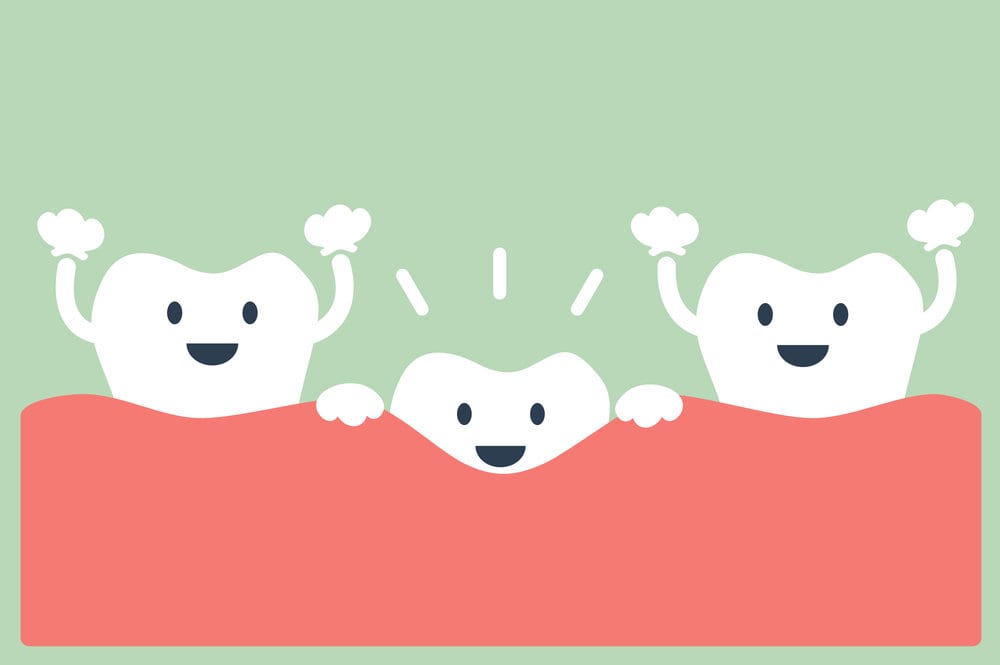
Babies are born with all 20 primary teeth below their gumline. These teeth typically start to erupt between six and nine months of age and by the age of two to three, children will usually have their full set of primary teeth in place. The two bottom front teeth (lower central incisors) are usually the first to appear, followed by the two top front teeth (upper central incisors).
Is My Child Teething?
When it comes to diagnosing your child’s symptoms while they’re teething, it can be difficult to determine what’s normal and what’s not. It’s important to know how to identify the signs of teething so you can be sure you’re getting an accurate picture of what’s going on with your child’s overall health. This clarity will help you find a remedy for teething that’s right for your child’s situation.
Normal Teething Symptoms
Unfortunately, growing new teeth isn’t pleasant. Below are some normal symptoms that your baby is likely to experience while teething.
- Fussiness
- Trouble sleeping
- Irritability
- Loss of appetite
- Drooling more than usual
- Sore or tender gums
Symptoms That Are NOT Related to Teething
The following symptoms are NOT normal teething symptoms:
- Fever
- Diarrhea
- Rash
If your child is experiencing any of the symptoms above, don’t blame it on teething and move on. Instead, it’s best to check with your pediatrician as there is likely something else going on.
Tips on How to Soothe Teething Babies
Your child may have sore or tender gums when their teeth begin to erupt. Looking for a remedy for teething? Here are some tips to help alleviate the pain.
Rub Your Baby’s Gums
Use a clean finger or moistened gauze pad to rub your baby’s gums. The pressure can ease your baby’s discomfort.
Keep it Cool.
A cold washcloth, spoon, or chilled teething ring can be soothing on a baby’s gums. Don’t give your baby a frozen teething ring, however, as this may be too cold for them.
Also, be aware of a teether’s ingredients. Just because something is marketed as a teether doesn’t always mean it’s safe. In a September 2017 report, the Centers for Disease Control published a case report of an infant who suffered lead poisoning after chewing on a bracelet. The bracelet, which the child’s parents said was a homeopathic magnetic hematite health bracelet intended to help ease the child’s discomfort from teething, had metal beads containing lead.
Try Hard Foods.
If your baby is eating solid foods, you might offer something edible for gnawing — such as a peeled and chilled cucumber or carrot. Keep a close eye on your baby, however. Any pieces that break off might pose a choking hazard.
Dry the Drool.
Excessive drooling is part of the teething process. Having a teething ring, fingers or other objects in the mouth produces saliva. To prevent skin irritation, keep a clean cloth handy to dry your baby’s chin. Consider applying a moisturizer such as a water-based cream or lotion.
Try an Over-the-Counter Teething Remedy.
If your baby is especially cranky, acetaminophen (Tylenol) or ibuprofen (Advil, Children’s Motrin, others) might help. Be sure to check with your pediatrician first.
Teething Tablets, Numbing Gels, and Homeopathic Teething Remedies
If you look into homeopathic teething tablets and teething medications, be sure to avoid the ones containing the pain reliever benzocaine or lidocaine. They can be harmful — even fatal — to your baby. The FDA warns against use and recommends disposing of any you have on hand.
Schedule an Appointment at Pediatric Smiles Dentistry
To find out more about how to care for your baby’s new teeth, check out our blog post about healthy brushing habits for all ages.
And remember, the recommendation from the American Academy of Pediatrics and the American Academy of Pediatric Dentists is for children to establish a dental home by the age of one.
At Pediatric Smiles of Northland KC, we offer a complimentary first visit for children under the age of one, so contact us today for an appointment!