How Long Should Kids Brush Their Teeth?
Are your kids brushing you off instead of brushing their teeth? Instilling healthy oral habits can be challenging, especially with little ones, but the long-term benefits are well worth it.
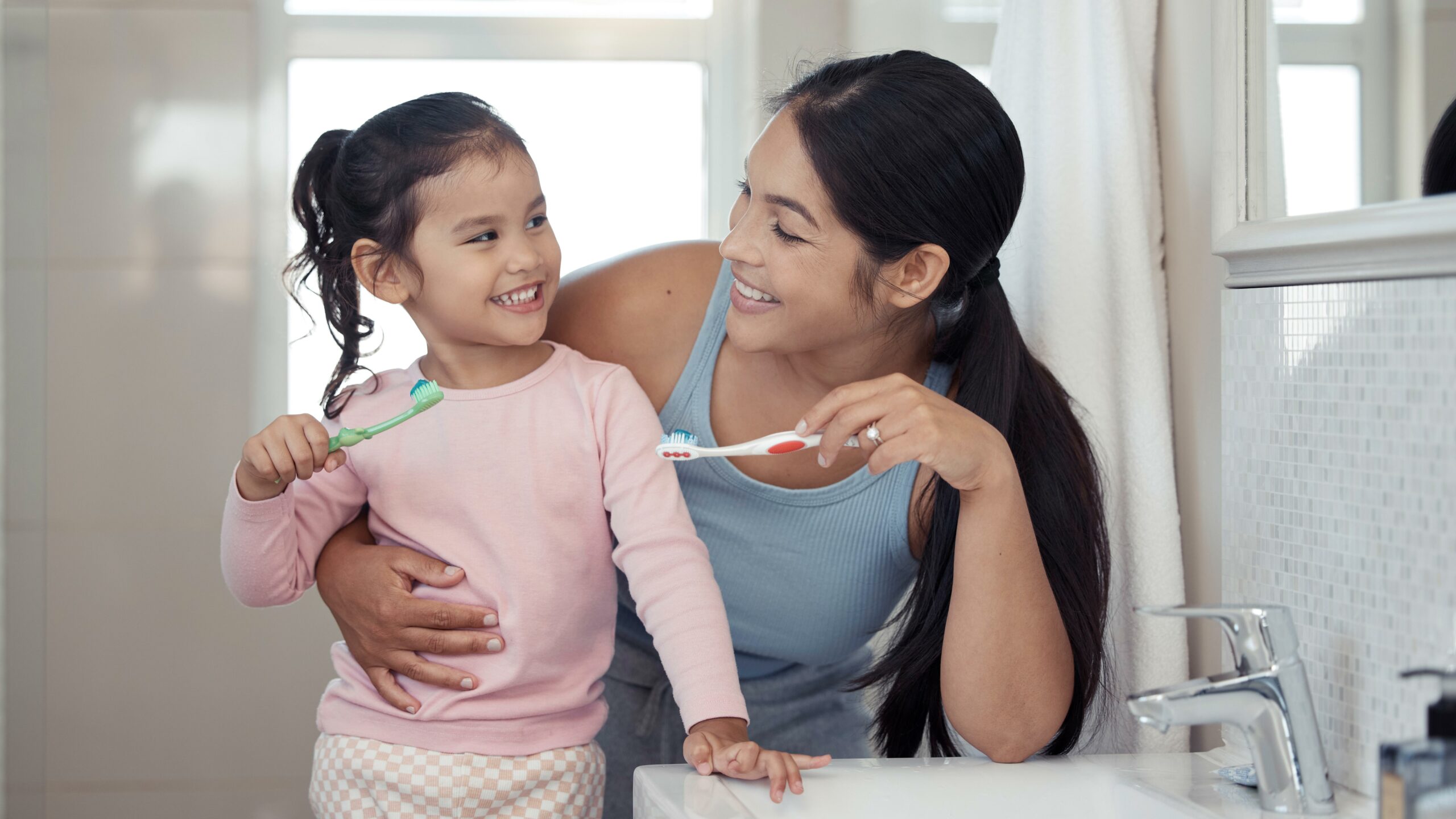
As a pediatric dental office, one of the most common questions we are asked is, “How long should kids brush their teeth?” Brushing teeth properly is a fundamental part of oral hygiene, and fostering good habits from an early age is key to a lifetime of healthy smiles. In this blog post, we’ll discuss the recommended brushing time for children and provide some tips for maintaining oral hygiene at home.
Why is it Important to Brush Your Teeth?
Brushing teeth helps remove food particles and dental plaque – a sticky film consisting of bacteria that forms on our teeth. When this plaque builds up, it can lead to tooth decay and gum disease. Therefore, teaching your child the importance of brushing, and ensuring they do it correctly, is crucial for their oral health.
How Long Should Children Brush Their Teeth?
The American Dental Association (ADA) recommends that everyone, adults and children alike, should brush their teeth for at least two minutes, twice a day. This timeframe is thought to be the most effective at removing plaque, preventing cavities, and promoting overall dental health. But as any parent will attest, getting children to brush for the full two minutes can sometimes be a challenge.
To help with this, you might consider using a timer or playing a two-minute song or video while your child brushes their teeth. This can be as simple as asking your child to hum or sing in their heads the ABCs through two times, as one go around tends to take about one minute. Many toothbrush manufacturers also offer electric brushes with built-in timers that alert the user every 30 seconds to move to a different quadrant of the mouth, ensuring a thorough clean.
When should we brush our teeth? Morning and bedtime are ideal, and after lunch, too, if you’re willing and able to go the extra mile. We want kids to greet their friends with sparkly whites and then brush before bed to remove any bad bacteria that would love to eat away at their teeth overnight.
Tooth-Brushing Guide Based on Your Child’s Age
When can kids brush their own teeth without adult intervention or supervision? It all depends on your child’s age, their developmental understanding, and physical abilities. Below we’ll dive into our recommendations for dental care at every age.
Infancy to Their First Tooth
Primary teeth tend to erupt when your baby is around six months old. However, dental care should begin even before their pearly whites arrive! It’s important to run a clean, damp washcloth over their gums to clear away bacteria daily, especially before bedtime. Even though they’re still on a liquid diet at this point, milk and formula have natural sugars that can kick-start tooth decay. Brushing your baby’s gums helps safeguard against this.
Dealing with lots of drool and crankiness? Check out our blog on teething.
First Tooth to Age 3
As your little one’s teeth erupt, use a baby-friendly toothbrush with soft bristles. Need ideas? Check out Baby Center’s list of the best baby toothbrushes.
What about toothpaste? Once your child has a tooth or two, you can apply a tiny smear of fluoride toothpaste and brush as usual. Remember, a little goes a long way, and your child isn’t able to spit it out at this age, so use it sparingly.
Allow your child to “help” brush, but be sure that you’re doing the majority of the heavy lifting. You can “take turns”, or even have your child brush the teeth of their doll or stuffed animal. (We don’t recommend toothpaste for this activity!) This will make your child feel like they still have some control and power in the situation.
When your kiddo’s teeth begin to touch, flossing should begin as well. (By the age of 10, most kids can start flossing their teeth by themselves).
Age 3 to 6+
At some point when your child is between the ages of three and six years old, they’ll understand the need to spit out their toothpaste. At this point, they can use a pea-sized amount of fluoride toothpaste. Even if they seem very capable and know not to swallow toothpaste, be sure to continue supervising your child as they brush.
Depending on your youngster’s thoroughness, you may still need to take turns with your child on brushing their teeth. We recommend taking the lead until your child is eight or nine years old.
Beyond the younger years, you’ll still want to check in with your child as they go through adolescence to make sure they’re still keeping their dental health in check. Encourage your preteens and teenagers to continue brushing and flossing daily to keep cavities at bay.
Schedule an Appointment
In addition to establishing consistent and thorough teeth-brushing habits early on, the next best thing you can do for your child’s oral health is schedule regular pediatric dental visits. For a dazzling, healthy smile, plan on seeing us every six months for routine prevention and treatment.
Dr. Ryan Francois and the team at Pediatric Smiles of Northland KC is ready to answer any and all of your dental health questions. Check out our dental FAQ page or contact us today to schedule an appointment!