
When your child suddenly has severe tooth pain, swelling, bleeding, or an injured tooth, one question can become urgent very quickly: should you call the pediatric dentist or head to the emergency room? Knowing where to go can help your child receive appropriate care faster while also making an understandably stressful situation easier to manage.
For many tooth and mouth injuries, a pediatric dentist is the best first call. Pediatric Smile Solutions provides emergency dental care for kids in Kansas City and can help parents determine what kind of attention their child may need. However, certain symptoms involving breathing, major facial trauma, severe bleeding, or other medical concerns require hospital emergency care instead.
Understanding the difference before an accident occurs can help you respond with more confidence when every minute feels important.
What Is Considered a Pediatric Dental Emergency?
A pediatric dental emergency is an urgent problem affecting a child’s teeth, gums, mouth, or surrounding structures. Some emergencies happen suddenly because of a fall, sports injury, playground accident, or collision. Others develop gradually from tooth decay or infection before becoming painful enough to demand immediate attention.
Common pediatric dental emergencies include severe toothaches, knocked-out teeth, broken teeth, significant dental fractures, dental infections, swelling around a tooth, injured gums, cuts inside the mouth, and damage to existing dental work.
However, not every dental problem requires a hospital emergency department. In fact, many problems involving the teeth themselves are more appropriately evaluated by a dentist who has the equipment and experience needed to diagnose and treat dental injuries.
When you are uncertain, calling your child’s dental office is often an appropriate first step. The dental team can ask questions about what happened, your child’s symptoms, the location of the injury, and whether there are signs that emergency medical attention is needed.
When to Call an Emergency Pediatric Dentist
A pediatric dentist should generally be contacted promptly when the primary problem involves a tooth, gum tissue, or localized area of the mouth and your child is otherwise medically stable.
Examples include:
- Severe or persistent tooth pain
- A chipped, cracked, or broken tooth
- A permanent tooth that has been knocked out
- A tooth that has been pushed out of position
- Swelling close to a tooth or along the gums
- A pimple-like bump on the gums
- Bleeding around a tooth that does not quickly settle
- Damage to a filling, crown, or other dental restoration
- A mouth injury that may have damaged one or more teeth
- Pain when biting or chewing after an accident
Even when an injury does not look dramatic, it can still deserve prompt evaluation. For example, a tooth may appear intact after a fall while the nerve or supporting structures underneath have been injured. Likewise, a small fracture may expose a sensitive portion of the tooth.
Prompt evaluation allows the pediatric dentist to determine whether treatment is needed now or whether the tooth can simply be monitored.
When Should a Child Go to the Emergency Room?
Some dental and facial injuries involve concerns that extend beyond the teeth. In those situations, emergency medical care may be the safest choice.
Seek emergency medical attention when your child has symptoms such as:
- Difficulty breathing or swallowing
- Uncontrolled or heavy bleeding
- Major trauma to the face or jaw
- A suspected broken jaw
- Loss of consciousness
- Confusion or significant symptoms following a head injury
- Rapidly increasing facial or neck swelling
- Swelling that interferes with breathing or swallowing
- A serious cut that may require stitches
- Other symptoms suggesting a broader medical emergency
For severe or life-threatening symptoms, call 911. Dental treatment can be addressed after your child’s immediate medical needs are stabilized.
In some situations, a child may need both medical and dental care. For example, a significant fall could cause a head injury as well as a fractured tooth. The medical emergency should be addressed first, followed by pediatric dental evaluation when appropriate.
What to Do While You Are Getting Help
The first few minutes after a dental injury can feel chaotic, but a few simple steps may protect the injured area and help your child remain more comfortable.
First, check your child’s overall condition. Make sure they are breathing normally and are alert. If the problem appears limited to the mouth, gently inspect the area without repeatedly touching an injured tooth.
If there is bleeding, apply gentle pressure with clean gauze or a clean cloth. A cold compress placed on the outside of the cheek may help with swelling and discomfort.
If part of a tooth has broken off, save the fragment if you can find it. Place it in a clean container and bring it with you to the dental appointment.
If a permanent tooth has been completely knocked out, handle it only by the crown, which is the part normally visible in the mouth. Avoid touching the root. If necessary, gently rinse away obvious debris without scrubbing the tooth. Keep the tooth moist and contact the pediatric dentist immediately. Milk can be used as a temporary storage option if the tooth cannot be placed back in position safely.
A knocked-out baby tooth should not be pushed back into the socket because doing so could affect the developing permanent tooth underneath. Instead, contact the pediatric dentist for guidance.
Why Tooth Pain Can Become an Emergency
Tooth pain is one of the most common reasons parents seek urgent dental help. Sometimes the cause is relatively simple, such as food becoming trapped between teeth. However, persistent or severe pain can also be associated with decay, inflammation, trauma, or infection.
If your child complains of tooth pain, gently floss around the area to remove possible food debris. You can also have your child rinse with warm water if they are old enough to rinse safely.
However, recurring pain should not simply be covered up and ignored. Dental pain is the body’s way of indicating that something needs attention. A pediatric dentist can evaluate the tooth, identify the cause, and recommend appropriate oral treatment when necessary.
Benefits of Choosing an Emergency Pediatric Dentist
When the problem is dental rather than a broader medical emergency, choosing a pediatric dental office can offer several important advantages.
- Focused dental expertise: A pediatric dental team is equipped to evaluate injuries affecting baby teeth, permanent teeth, gums, and developing smiles.
- Age-appropriate care: Children may react differently to pain and unfamiliar situations, so a child-focused approach can make emergency treatment easier to manage.
- Earlier diagnosis: Prompt evaluation can reveal fractures, infection, or damage that may not be obvious at home.
- Protection of developing teeth: Treatment decisions can account for whether the injured tooth is primary or permanent and how the child’s smile is still developing.
- Relief from dental discomfort: Identifying the cause of pain allows the dental team to recommend appropriate treatment rather than relying only on temporary measures.
- A plan for follow-up care: Some injured teeth require monitoring even after the immediate problem has been addressed.
- Support for parents: Clear instructions can reduce uncertainty about what the child should eat, how to keep the area clean, and what warning signs to watch for afterward.
What Happens During an Emergency Dental Visit?
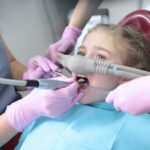
The exact appointment depends on the injury. First, the dental team will gather information about what happened and when it happened. They may ask whether your child fell, collided with another person, was hit by an object, developed swelling gradually, or has experienced tooth pain for several days.
The dentist will then examine the teeth, gums, bite, and surrounding tissues. Dental X-rays may be recommended when they can provide useful information about the tooth root, surrounding bone, infection, or an injury that is not visible above the gumline.
Treatment will depend on the diagnosis. A minor chip may require very different care than a badly fractured permanent tooth. Likewise, an infected primary tooth may require a different approach than a permanent tooth affected by trauma.
Most importantly, the goal is to address the urgent concern while considering your child’s comfort, development, and long-term oral health.
Helping Children With Special Needs During a Dental Emergency
An unexpected dental visit can be particularly challenging for a child who has sensory sensitivities, developmental differences, communication needs, or anxiety around unfamiliar environments.
Parents can help by telling the dental team about accommodations that work well for their child. Familiar comfort items, simple explanations, extra processing time, or a quieter treatment environment may make the experience more manageable.
Pediatric Smile Solutions also provides special needs patient care, allowing families to discuss individual needs before or during an emergency visit.
How Can Parents Reduce the Risk of Dental Emergencies?
Not every accident can be prevented. Still, several habits can reduce common risks.
Children who participate in sports should wear appropriate protective equipment, including a properly fitted mouthguard when recommended. At home, discourage chewing ice, hard candy, pencils, and other objects that can fracture teeth.
Routine dental visits are also important because not every emergency begins with an accident. Tooth decay can progress quietly before causing significant pain or infection. Regular preventative dental care gives the dental team an opportunity to identify concerns earlier.
Parents can also keep a small dental emergency kit at home. Useful items include clean gauze, a small container with a lid, a cold pack, and the pediatric dentist’s phone number.
Frequently Asked Questions About Pediatric Dental Emergencies
Should I call the dentist if I am not sure the problem is an emergency?
Yes. A phone call can help you determine how quickly your child should be evaluated and whether the symptoms suggest a dental or medical emergency.
Is a knocked-out baby tooth an emergency?
It should be evaluated promptly, particularly if there was significant trauma. However, parents should not attempt to put a knocked-out baby tooth back into the socket.
Does facial swelling require urgent dental care?
Yes. Swelling associated with a tooth can indicate infection. Rapidly increasing swelling, difficulty breathing, or difficulty swallowing requires emergency medical attention.
Can a tooth be injured even if it is not broken?
Yes. Trauma can affect the nerve, root, or supporting tissues without producing an obvious fracture. Contact a pediatric dentist after a significant dental injury.
Get Prompt Help for Your Child in Kansas City
Knowing the difference between a dental emergency and a broader medical emergency can help parents make faster decisions during a stressful moment. If the concern involves severe dental pain, an injured tooth, localized swelling, or another urgent oral health problem, contacting a pediatric dentist promptly can help determine the appropriate next step.
If your child needs emergency dental care in Kansas City, call Pediatric Smile Solutions at (816) 479-5562. Call Us Today for guidance and to find out how our team can help your child receive prompt, child-focused care.