
Has your child suddenly started avoiding cold water, warm foods, sweets, or brushing in one area of the mouth? Child tooth sensitivity can be brief and harmless, but it can also be an early sign of a cavity, enamel wear, a loose tooth, gum irritation, or a dental injury. Because children may describe discomfort as “weird,” “tickly,” or “hurting,” parents do not always know what the sensation means. An evaluation through pediatric oral treatment services can help identify the cause and determine whether care is needed.
It is important to respond calmly. Child tooth sensitivity does not automatically mean a serious problem, and it is not a reason to make a child feel responsible for their symptoms. However, recurring discomfort deserves attention because children may change how they eat, brush, sleep, or concentrate to avoid the sensation. Early evaluation can often make treatment simpler and help the child feel more comfortable.
What Does Child Tooth Sensitivity Feel Like?
Child tooth sensitivity is a sharp, tingling, aching, or uncomfortable sensation triggered by temperature, sweetness, touch, pressure, or air. The feeling may last only a few seconds, or it may continue after the trigger is gone. Some children can point to one tooth, while others describe a whole side of the mouth.
Younger children may not use the word sensitivity. Instead, they may pull away during brushing, chew on one side, refuse a favorite cold snack, or complain that food is “too spicy” even when it is not. A child may also become upset during meals without being able to explain why.
Because the location and duration of discomfort offer useful clues, ask simple questions. Which tooth hurts? What were you eating or drinking? Did the feeling stop quickly? Does biting hurt? Has the tooth been bumped? Avoid repeated testing with ice or hot foods, since that can increase discomfort. Instead, write down the pattern and share it with the pediatric dentist.
Common Causes of Child Tooth Sensitivity
Cavities and Early Tooth Decay
Tooth decay can begin when acids produced by plaque bacteria weaken enamel. In early stages, a child may have no symptoms. As decay progresses, sweets, cold foods, or pressure may trigger child tooth sensitivity. A visible dark spot is not always present, especially when the cavity is between teeth or under the chewing surface.
Regular dental examinations and X-rays when appropriate help identify decay that parents cannot see. If a cavity is present, treatment depends on its size, location, the tooth involved, and how long the tooth needs to remain in the mouth.
Newly Erupting or Loose Teeth
Growing smiles change quickly. A permanent tooth moving through the gums can create tenderness, while a loose baby tooth may feel sensitive when chewing or brushing. In addition, food can collect around a partially erupted molar and irritate the gum tissue.
This type of child tooth sensitivity may be temporary. However, swelling, drainage, severe pain, or a bad taste should not be dismissed as normal eruption. A pediatric dentist can distinguish expected development from a problem that needs care.
Enamel Wear or Weak Enamel
Enamel protects the more sensitive inner layers of a tooth. Some children naturally have areas of enamel that are thinner, softer, or less fully mineralized. Enamel can also wear from frequent acid exposure, aggressive brushing, grinding, or certain health conditions.
Acidic drinks and snacks can soften enamel temporarily. Therefore, brushing immediately after repeated acid exposure may increase wear. Water rinsing and waiting before brushing may be recommended, but the best advice depends on the child’s routine and health history.
Gum Irritation and Brushing Technique
Gums can become sore when plaque collects along the gumline or when brushing is too forceful. A hard-bristled toothbrush or aggressive scrubbing can irritate tissue and make the area feel sensitive. On the other hand, avoiding a sore spot allows more plaque to remain, which may worsen inflammation.
Use a soft-bristled toothbrush and gentle circular motions. Young children still need help, while older children may need a demonstration and occasional supervision. If bleeding or tenderness continues, schedule a dental visit.
Dental Injuries
A fall, sports collision, or bump to the mouth can cause child tooth sensitivity even when the tooth does not look broken. The ligament around the tooth may be bruised, the enamel may have a small crack, or the nerve inside may be irritated. Symptoms can appear immediately or develop later.
Contact the dental office after a significant injury, especially if the tooth is loose, displaced, darkening, chipped, bleeding, or painful when biting. For urgent problems, the practice’s pediatric dental emergency guidance can help families know what to do.
Grinding or Clenching
Some children grind or clench their teeth during sleep. Occasional grinding may not cause damage, but frequent pressure can contribute to enamel wear, jaw fatigue, headaches, or child tooth sensitivity. Parents may hear grinding sounds at night or notice flattened tooth edges.
Grinding can be related to several factors, so treatment should be individualized. A pediatric dentist can examine the teeth and ask about sleep, breathing, stress, medications, and other symptoms before recommending a plan.
Recent Dental Treatment
Temporary sensitivity can occur after a filling, crown, cleaning, or other dental procedure. The tooth and surrounding tissues may need time to settle. However, discomfort that is severe, worsening, or affecting the bite should be reported. The dental team can determine whether the healing pattern is expected or whether the tooth needs adjustment.
When Child Tooth Sensitivity Needs Prompt Attention
Mild sensitivity that happens once may not require an urgent visit. Still, call the pediatric dentist when the discomfort returns, lasts more than a few days, wakes the child, or causes changes in eating and brushing. Persistent child tooth sensitivity can indicate a problem that will not improve without treatment.
Seek prompt guidance if sensitivity is accompanied by swelling, fever, facial asymmetry, a pimple-like bump on the gums, drainage, a bad taste, or increasing pain. These signs may be associated with infection. Likewise, pain after a dental injury should be evaluated even when the tooth appears intact.
Emergency medical care may be necessary if swelling affects breathing or swallowing, if bleeding will not stop, or if the child has signs of a serious head or facial injury. When in doubt, call the dental office and describe exactly what happened and what symptoms are present.
How a Pediatric Dentist Finds the Cause
The visit begins with a review of the child’s symptoms and health history. The dentist may ask what triggers the child tooth sensitivity, how long it lasts, whether the tooth hurts during biting, and whether there has been an injury or recent treatment. Information about diet, brushing, medications, reflux, dry mouth, grinding, and sleep can also be helpful.
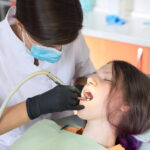
Next, the dentist examines the teeth, gums, bite, and soft tissues. Gentle testing may help identify the sensitive area. Dental X-rays may be recommended when the cause cannot be seen directly or when decay, infection, injury, or tooth development needs to be evaluated.
The goal is to identify the source while keeping the child comfortable. Pediatric dental teams use age-appropriate language, breaks, and gradual explanations. Parents should share any sensory preferences, communication needs, or previous difficult experiences before the examination begins.
Treatment Options for Child Tooth Sensitivity
Treatment depends on the cause. If enamel is intact but needs added protection, the dentist may recommend professional fluoride, a desensitizing product, sealants, or changes to home care. If a cavity is present, a filling or another restoration may be needed. A damaged or infected tooth may require more extensive treatment to restore comfort and protect oral health.
For gum irritation, improved brushing technique and professional cleaning may help. If grinding is contributing to child tooth sensitivity, the dentist may recommend monitoring, addressing related health factors, or using a protective appliance when appropriate. For a recently injured tooth, the plan may involve observation, a soft diet, follow-up testing, or treatment based on the tooth’s stability and nerve health.
Parents should avoid placing aspirin on the gums or using adult desensitizing products without dental guidance. In addition, do not rely on pain medicine to hide recurring symptoms. Medication may help temporarily, but it does not identify or correct the cause.
Benefits of Early Care for Child Tooth Sensitivity
- Faster relief: Identifying the trigger can help the child return to comfortable eating, drinking, and brushing.
- Earlier detection: Child tooth sensitivity may reveal a cavity, injury, enamel concern, or gum problem before it becomes more extensive.
- More focused treatment: The dentist can recommend care based on the actual cause rather than trial and error at home.
- Protection for developing teeth: Timely care supports both baby teeth and the permanent teeth growing nearby.
- Better daily habits: Families can learn gentler brushing methods, helpful food patterns, and ways to reduce repeated triggers.
- Less worry for parents: A professional evaluation can clarify whether the child tooth sensitivity is temporary, developmental, or related to a dental condition.
What Parents Can Do at Home Before the Visit
Offer foods and drinks at comfortable temperatures, and avoid repeatedly testing the sensitive tooth. Encourage gentle brushing with a soft-bristled toothbrush. If chewing hurts, provide softer foods and ask the child to avoid biting directly on the area.
Write down when the child tooth sensitivity occurs and how long it lasts. Note any recent falls, sports impacts, dental treatment, illness, new medications, grinding sounds, or changes in diet. This information can help the dentist narrow the possibilities.
If the tooth is chipped, save any fragment you can find and call the dental office. If swelling is present, do not apply heat. For a possible emergency, contact the pediatric dentist promptly for instructions tailored to the situation.
Questions Parents Often Ask
Can sensitive toothpaste be used for children?
Some products may be appropriate for older children, while others may not fit the child’s age or needs. Ask the pediatric dentist before starting a desensitizing toothpaste, especially when the cause of sensitivity has not been diagnosed.
Is sensitivity normal when permanent teeth come in?
Mild gum tenderness can occur as teeth erupt. However, ongoing child tooth sensitivity, swelling, drainage, severe pain, or pain with biting deserves an examination.
Can a cavity hurt only with cold foods?
Yes, a cavity can cause sensitivity to cold or sweets, but those triggers can also come from enamel wear, a crack, gum irritation, or another cause. The symptom alone cannot confirm the diagnosis.
Why does my child’s tooth hurt after a filling?
Temporary sensitivity may occur after treatment. If the pain is worsening, lasts longer than expected, or makes the bite feel uneven, contact the dental office so the tooth can be checked.
Should I call after a tooth is bumped even if it looks normal?
Yes, especially when the impact was significant or the child has pain, sensitivity, looseness, bleeding, or a change in tooth color. Some injuries affect structures that are not immediately visible.
Help Your Child Feel Comfortable Again
Child tooth sensitivity is a symptom, not a diagnosis. Sometimes the cause is a normal stage of development, while other times the tooth needs preventive or restorative care. Listening to your child, watching for patterns, and scheduling an evaluation can replace uncertainty with a clear plan.
For help with child tooth sensitivity, contact Pediatric Smiles Dentistry in Kansas City, MO. Call Us Today at (816) 479-5562 to book an appointment for your child.